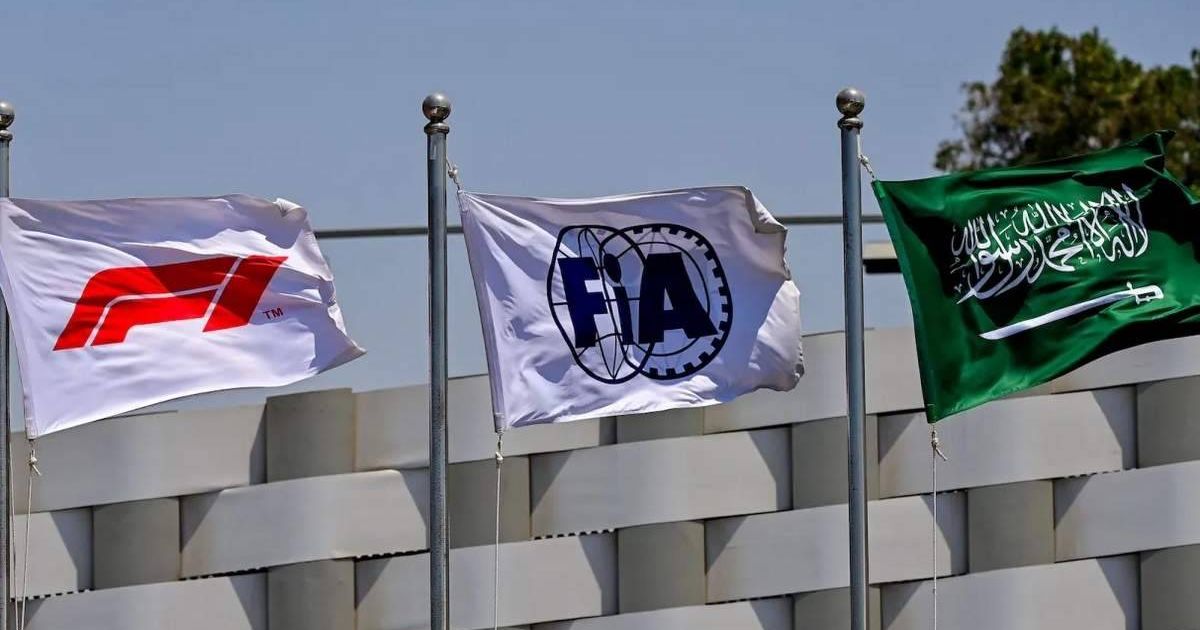
The ongoing conflict in the Middle East is raising concerns about its potential impact on the international sports calendar, particularly the 2026 Formula 1 season. With geopolitical tensions escalating, organizers and stakeholders are closely monitoring the situation to assess possible disruptions.
Formula 1 has scheduled several races in the Middle East, including events in Saudi Arabia and other regional venues. These races are integral to the championship, attracting global audiences and significant commercial interests. However, the instability in the region has prompted fears that these events could be postponed, relocated, or canceled altogether.
Beyond Formula 1, other major sporting events scheduled for 2026 could also face similar challenges. The conflict has the potential to affect international travel, security arrangements, and logistical planning for a wide range of sports, from football to tennis and beyond. Organizers are considering contingency plans to ensure the safety of participants and spectators while minimizing disruptions.
Sports governing bodies and event organizers are engaging with diplomatic and security agencies to evaluate risks and develop strategies to mitigate potential impacts. The situation remains fluid, and decisions will likely depend on the evolution of the conflict and regional stability.
Historically, geopolitical conflicts have led to the postponement or relocation of major sporting events, and experts warn that similar scenarios could unfold in 2026 if tensions persist. The sports world is watching the developments closely, aware of the significant economic and cultural implications of any disruptions.
In the meantime, athletes, teams, and fans are awaiting further updates, hoping for a peaceful resolution that allows the sporting calendar to proceed as planned. The intersection of geopolitics and sports continues to be a complex and sensitive issue, with the potential to reshape the landscape of international competitions in the coming years.